How to design greeting cards that people want to keep
In a new world where most messages are sent digitally, receiving a physical greeting card can feel so much more special. A thoughtfully designed card becomes more than just a simple way to say ‘Happy birthday or ‘Thank You’ it becomes a little keepsake that people hold on to.
Whether you’re creating greeting cards to sell or designing personalised cards for customers, the key is to create something that feels worth keeping for your customers. From choosing the right design to selecting the perfect materials, we have the best tips for creating greeting cards that people won’t want to throw away.
Create a design with personality
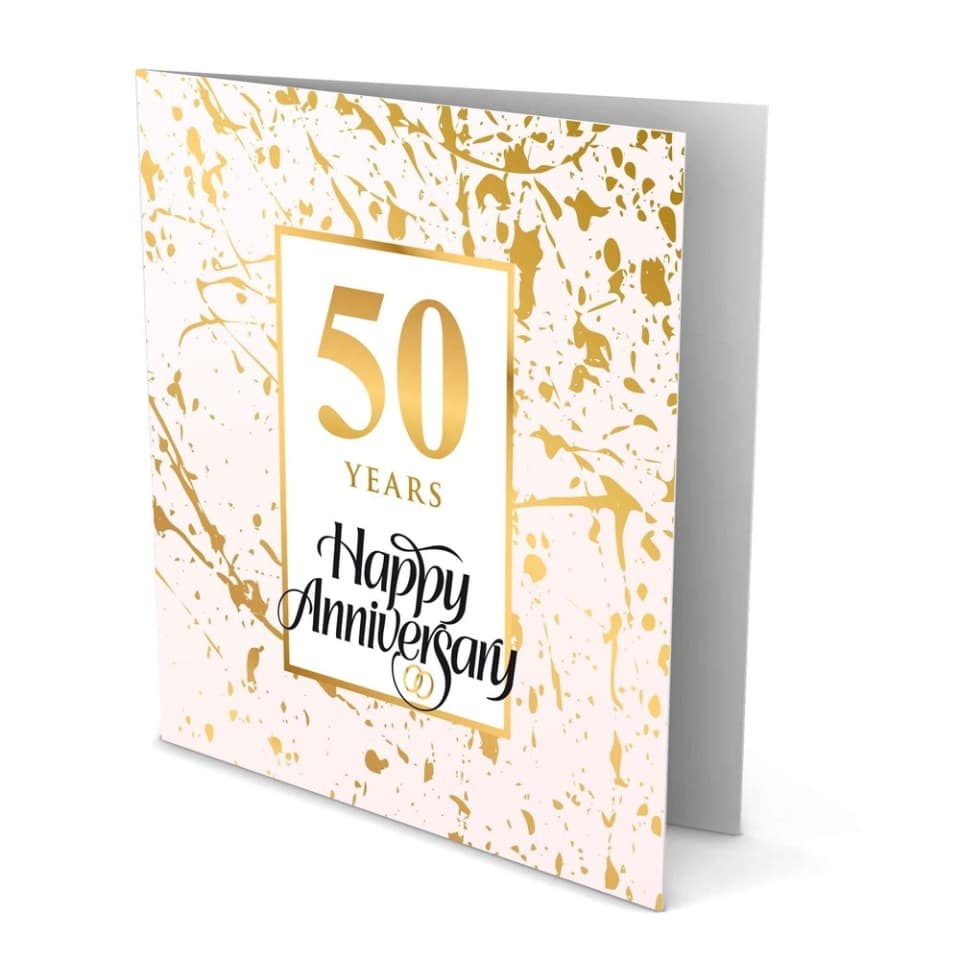
The best greeting cards are typically the ones that feel personal, your design should have a clear personality that makes your customer feel like that card was made specifically for them. Think carefully about who your target audience is and the type of person who will be receiving your card. This will help you choose the right colours, images and overall style for your design. A bright coloured design would be perfect for birthday cards, whereas a more toned down and elegant style would be a better fit for a wedding or simple thank you.
Don’t be afraid to try out different photos, typography, patterns and colours. You could also add small details that match the theme of your card like spot UV or foiling to help your card stand out. A strong design can help you and your brand stand out and make it more memorable.
Keep the message meaningful
A great design will catch someone’s attention, but the message is what makes a card memorable and worth keeping.
Try not to rely on generic phrases if you don’t think it suits your audience, consider how you can change the wording to make it feel more genuine, relatable or even humorous. If you’re designing a card for a specific occasion then think past the obvious and change it to your own wording. For example, instead of ‘Happy birthday’ you could change it to a relatable statement that relates to birthdays or a relatable joke, this way you’re adding personality to your card and there’s more chance that someone is likely to keep it.
Choose colours that stand out
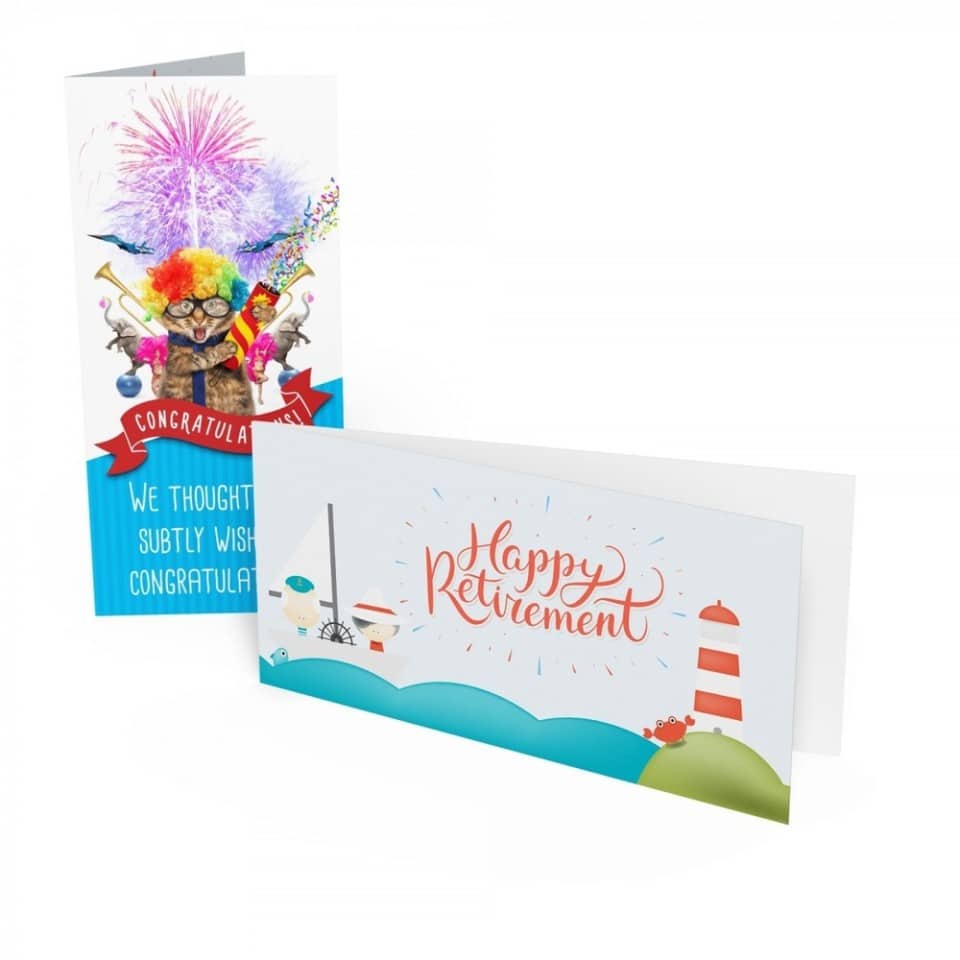
Colours play an important role in how a greeting card feels. Bright, bold colours appear more fun and create excitement, while softer colours can give your design a more calming or elegant appearance.
Try choosing a colour palette that suits the occasion your greeting card is for but also your customers. Don’t be afraid to play around with different ones to see what works best or what makes the important parts stand out the most. Try not to use too many that make your design look cluttered and take away from the message you’re sending, keep it easy to read. If you’re creating a range of cards, then choosing a consistent colour palette will help your brand identity and help you be easily recognisable.
Make typography part of the design
The words on your card don’t just communicate your message, it’s also an important part of your overall visual design.
Experiment with different fonts and layouts to find what compliments your design the best. A handwritten style font can make it feel personal, while a bold font makes more of a statement and a minimalist font gives your card a more modern feel. However, make sure your text is easy to read, there’s no point choosing an intricate font if your customers can’t read what it says. Take sizes, spacing and positioning of your text into consideration because they will all change the appearance of your card. Try different combinations again and move things around until everything feels in the right place and you feel that it works. Your typography should work alongside your images, colours and other elements.
Don’t underestimate the quality of your printing
Even the best design can lose its impact if it’s printed on poor quality materials. The feel of a card can be just as important as how it looks to your customer.
Choosing the right card stock for your cards will elevate your designs and make them stand out that bit more. A high quality stock will give you cards a premium feeling which will make your cards feel more like something worth keeping. Once you have your finished design, think about if it would benefit from a smooth or textured finish. Finishes can change the appearance of your images and colours so make sure you know what stock options would work best for you before choosing one so you know how your artwork will look when it is printed compared to it on your screen. High quality printing can help your colours look vibrant, your images sharp and your overall design more professional.
Think about sustainability
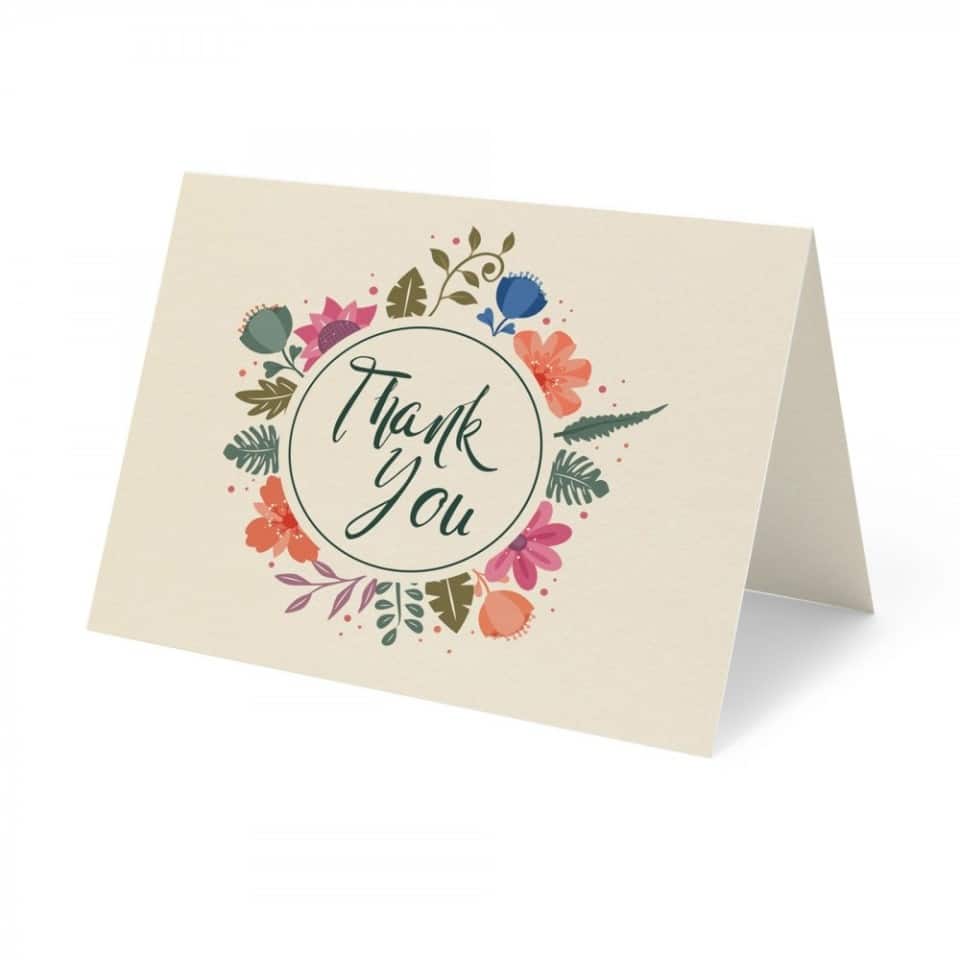
For many people, especially today, the materials used to create a product matter just as much as the design. If sustainability is important to your customers and you, then consider how you can make your greeting cards more environmentally friendly by choosing a sustainably sourced or recycled card stock. You can communicate these choices to your customers and explain the materials used to create your cards to help them understand how much thought has been put into your product.
Create cards that feel personal
One of the biggest reasons people keep greeting cards is because of the emotional connection they have with them. The card is typically kept as a sentiment, something that reminds them of a birthday, a wedding, a big milestone or someone they care about. If you’re designing a card to sell, then have a think about what emotion you want to create with your design. They don’t always have to be sentimental, they could be funny or bring a feeling of nostalgia and joy to your customer, but these all create a strong connection for them to hold onto your cards.
Keep your target audience in mind when designing your greeting cards, ask yourself ‘Would I want to receive this card?’ Keep focusing on what you can do to make it personalised to get the most out of it.
Make it worth keeping
Overall, a greeting card becomes a keepsake when it has qualities that make people want to hold onto it.
It could be the design, the message, the quality or just the memories attached to it.
The best greeting cards contain all of these qualities because a thoughtful design catches someone’s eye, a meaningful message creates an emotional connection and high quality printing turns the finished product into something that feels special. So whatever greeting card you decide to design, take the time to think about what will make someone want to keep it. Keep referring back to your target audience and your own opinions if what you are creating is something that you would keep.