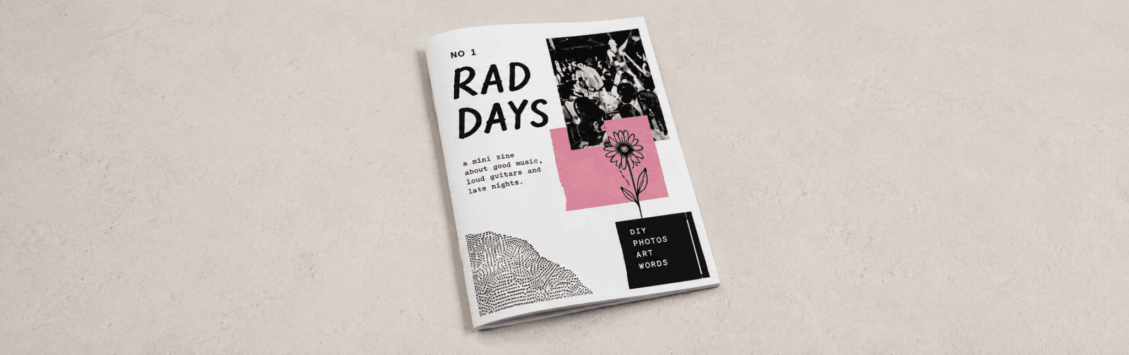
What Is a Zine? A Guide to Creating Your Own
Zines are small, independently produced publications that can be about pretty much anything. Art, photography, music, poetry, personal stories, local communities, niche interests… if you’ve got something you want to put into print, it can probably become a zine.
The name comes from fanzine, but zines have grown well beyond their original roots. There isn’t really a set formula to follow. Some look like miniature magazines, others are deliberately rough around the edges and some sit somewhere between a booklet, magazine and piece of art.
That freedom is a big part of the appeal. You decide what goes in, how it looks and who it’s for.
What Makes a Zine Different?
There’s no single thing that makes a publication a zine.
They’re usually independently created and produced in smaller quantities, often by an individual, artist, group or community rather than a traditional publisher. The subject tends to be something the creator genuinely wants to share, which is why zines can end up covering some incredibly specific interests.
The design can be just as individual. A zine might be carefully laid out on a computer, put together using collage and scanned artwork or combine photography, handwriting, illustration and text across the same pages.
It doesn’t have to look homemade either. Plenty of zines are professionally designed and printed while keeping the independent thinking that makes the format what it is.
And that’s where the line between a zine and a magazine can get a little blurry.
Zine or Magazine?
Physically, there can be very little separating the two.
A professionally printed zine might use the same paper, size and binding as a magazine. The difference is often more about the publication itself and the thinking behind it.
Magazines tend to follow a more familiar structure and are often produced for a wider audience. Zines are generally more independent, giving the creator plenty of freedom over the subject, design and way the content comes together.
But there aren’t strict rules.
If you’re creating your own publication, you don’t need to spend too much time worrying about which label it fits. Think about what you want to make and choose a format that works for the content.
What Can You Put in a Zine?
This is the easy bit… whatever you want.
A photographer could use one to bring a collection of images together. An illustrator might create a small run featuring their latest work. Bands and music communities can use them for interviews, reviews and artwork, while writers can fill the pages with short stories, poetry or essays.
They can work around hobbies and interests too. Food, travel, fashion, gaming, local history, sport… the subject doesn’t need to appeal to thousands of people.
That’s partly what makes zines different. You’re not necessarily trying to create something for everybody. Sometimes a publication made for a smaller group of people who really care about the subject is exactly the point.
Businesses can take the same approach too. A zine-style publication could tell the story behind a project, bring together original content or give customers something a little different from a traditional brochure.
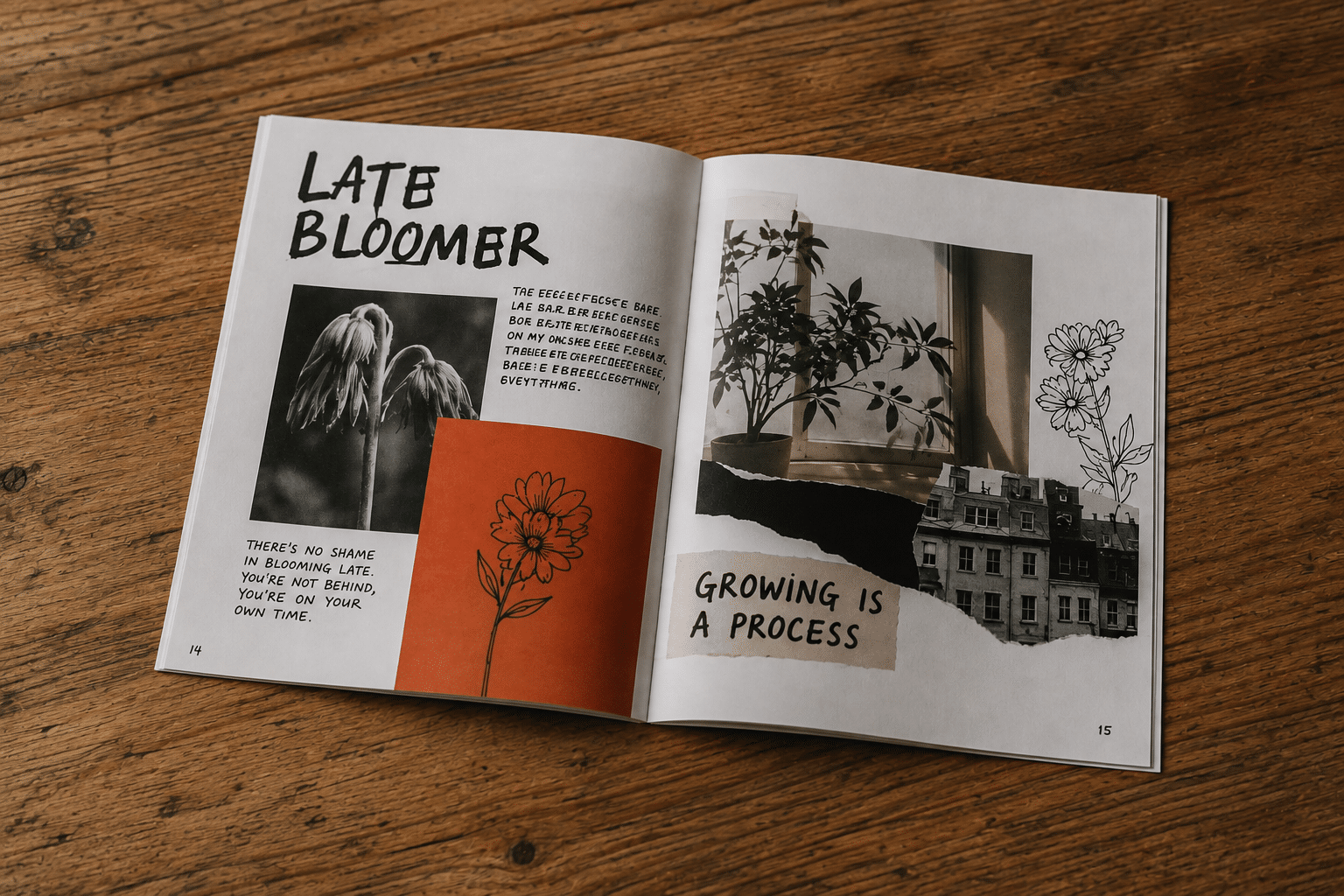
Making the Format Your Own
Once you know what you’re putting inside, you can start thinking about what the finished zine should actually look and feel like.
A5 is a natural choice for something compact and easy to pick up, while A4 gives photography, illustration and longer pieces of content more room. Smaller and square formats can completely change the character of the publication too.
Page count matters, but more isn’t automatically better. If you’ve got enough content for a short publication, let it be short rather than adding pages just to make it feel bigger.
Paper choice can change things again. A smoother stock can work well with colourful artwork and photography, while an uncoated paper gives the pages a different look and feel. You can also use a heavier cover if you want the outside to have a little more weight than the pages inside.
There’s no universal combination that’s right for a zine… that’s really the point.
Does a Zine Have to Look Homemade?
Not at all.
Zines have always been closely linked with people creating and producing their own publications, and there’s still something great about pages put together using scissors, glue, pens, drawings and collage.
But creating it yourself doesn’t mean you have to print every copy yourself.
You can put together something that feels completely personal and independent, then have the finished artwork professionally printed. You still control how everything looks, but things like colour, trimming and binding stay consistent from one copy to the next.
For shorter zines, saddle stitching can be a good fit. The printed sheets are folded and stapled through the spine, leaving you with a straightforward publication that’s easy to pick up and flick through.
Professional printing doesn’t have to take away the character that made you want to create the zine in the first place.
Getting Your Zine Ready for Print
Before you send the artwork off, there are a few practical things worth checking.
If your zine is going to be saddle stitched, the total number of pages will usually need to work in multiples of four. Each folded sheet creates four pages in the finished publication, so it’s worth knowing your page count before you get too far into the artwork.
You’ll also need to set everything up at the correct finished size and include bleed around the edges. Keep important text, logos and other details safely away from the trim too.
It’s much easier to sort these things while you’re putting the artwork together than discover something needs changing when you’re ready to print.
If you’re still working out how your publication should come together, our How to Make a Magazine guide covers planning your content, designing the pages and preparing your artwork for print in more detail.
Bringing Your Zine Together
A zine can be polished, rough around the edges, colourful, minimal, serious or completely strange. It can be something you make once or the start of a regular publication.
That’s what makes the format interesting… there isn’t one right way to do it.
Start with something you want to put into print, work out the format that suits it and make the rest your own.
If you’re ready to turn your idea into a printed publication, take a look at our Magazine Printing range to explore the sizes, papers and options available.