A Guide to Booklet Printing: Understanding the Different Types of Booklets
Why Choosing the Right Booklet Type Matters
When you’re planning a booklet printing project, the format you choose does more than simply hold pages together… it shapes how your content is experienced.
Whether you’re showcasing a property portfolio or handing out price lists at a busy trade show, the right binding makes your information easier to read, easier to handle and more professional to present. Booklets give businesses the space to tell a fuller story than a simple flyer ever could.
In simple terms, a booklet is a multi-page printed document where the pages are bound together rather than being supplied as a single folded sheet. They’re used for everything from company brochures and catalogues to programmes, manuals, prospectuses and visitor guides.
Many businesses searching for brochure printing are actually looking for booklet formats such as stapled brochures or perfect bound publications, so understanding the options available is important.
In this guide, we’ll break down the most common booklet formats and explain when each one works best… helping you make a stress-free choice before placing your order.
If you already know which format you need, you can explore our full range of brochures and booklets and compare the options available.
The Secret to Choosing the Right Type of Booklet
One of the biggest hurdles when planning booklet printing is matching your page count to the right binding style.
At first glance, many booklets can look similar. But once you start exploring the options, the technical differences begin to matter. Choose the wrong format and your booklet might not sit neatly, or it could feel less substantial than you expected.
The good news is that once you understand the four main binding styles, choosing the right booklet becomes much easier.
Understanding the Different Types of Booklets
Most professional booklet printing projects fall into a handful of common binding styles.
The most popular formats include stapled, perfect bound, wiro bound and hardcover booklets. Each one is designed for a slightly different purpose depending on how the booklet will be used and how many pages it needs to hold.
Here’s a quick comparison before we look at each one in more detail:
| Booklet type | Works well for | What makes it different | Page count |
|---|---|---|---|
| Stapled | Programmes, newsletters and promotional booklets | Folded sheets are stapled through the centre | Typically 8–48 pages |
| Perfect bound | Catalogues, annual reports and brand magazines | Creates a square spine that can carry printed artwork | Typically 40+ pages |
| Wiro bound | Manuals, training guides, recipe books and planners | Opens flat and can fold back on itself | Flexible depending on wire size |
| Hardcover | Portfolios, commemorative publications and premium catalogues | Rigid cover for a more durable finish | Suitable for medium to high page counts |
Let’s take a closer look at how each booklet type works and where it’s typically used.
Stapled Booklets
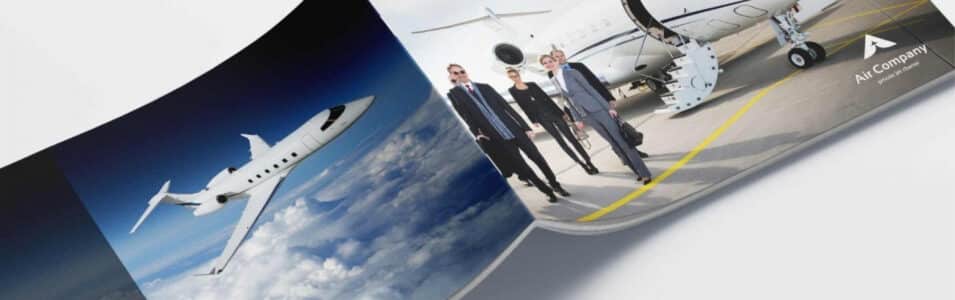
Stapled booklets are one of the most widely used formats in booklet printing. Pages are collated and secured along the spine using metal staples, creating a clean and lightweight finish.
This type of binding is also known as saddle stitching. Printed sheets are folded in half, placed inside one another and stapled through the centre fold. Because each folded sheet creates four printed pages, stapled booklet page counts usually work in multiples of four.
Best for:
Event programmes, newsletters and promotional booklets.
The benefit:
A cost-effective format that stays neat and easy to handle. It’s a popular choice for marketing materials that need to be distributed quickly.
Capacity:
Best suited to shorter publications, typically between 8 and 48 pages.
Pro tip:
Because they sit relatively flat, stapled booklets are a practical option for mailing.
Explore Our Stapled Booklet Printing
Perfect Bound Booklets
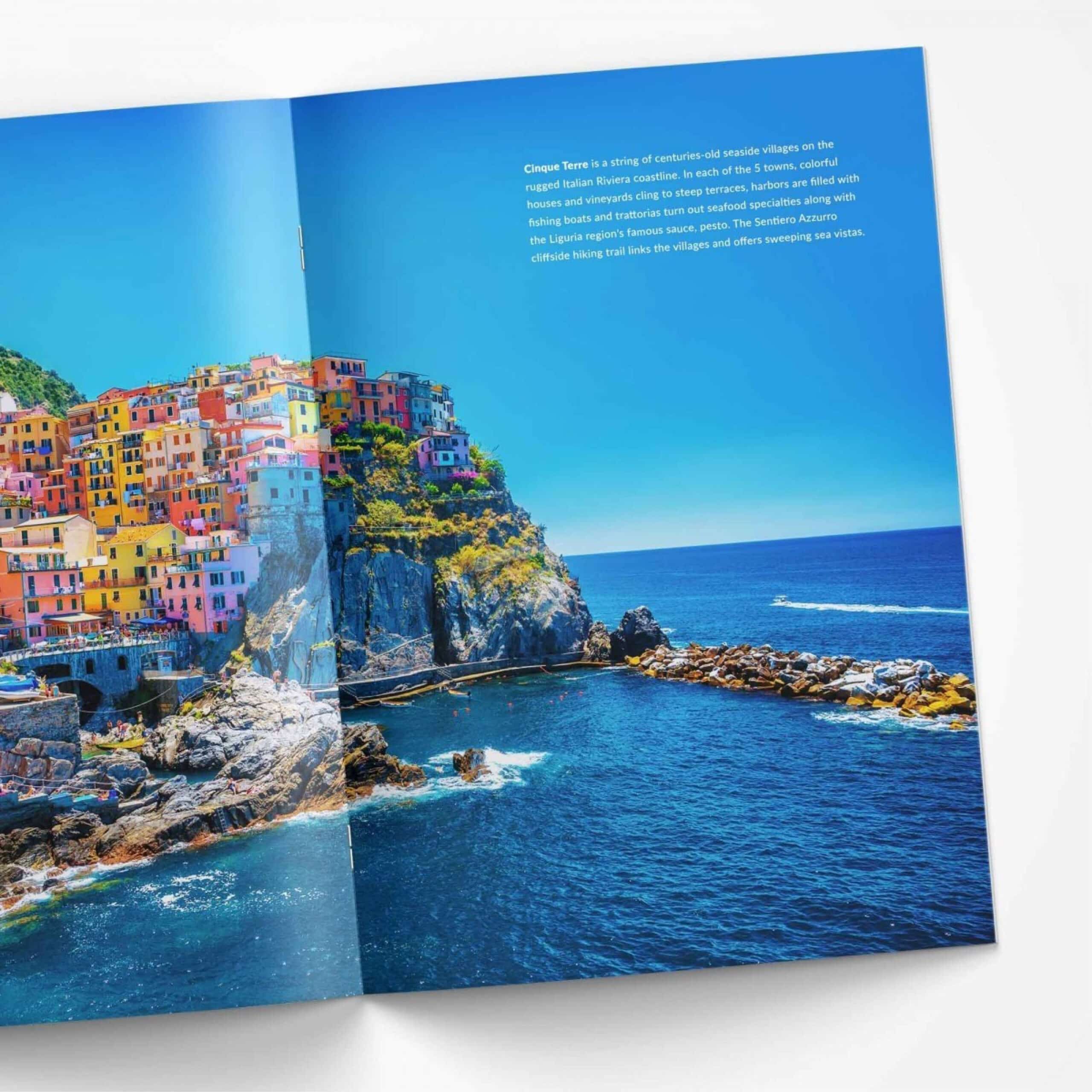
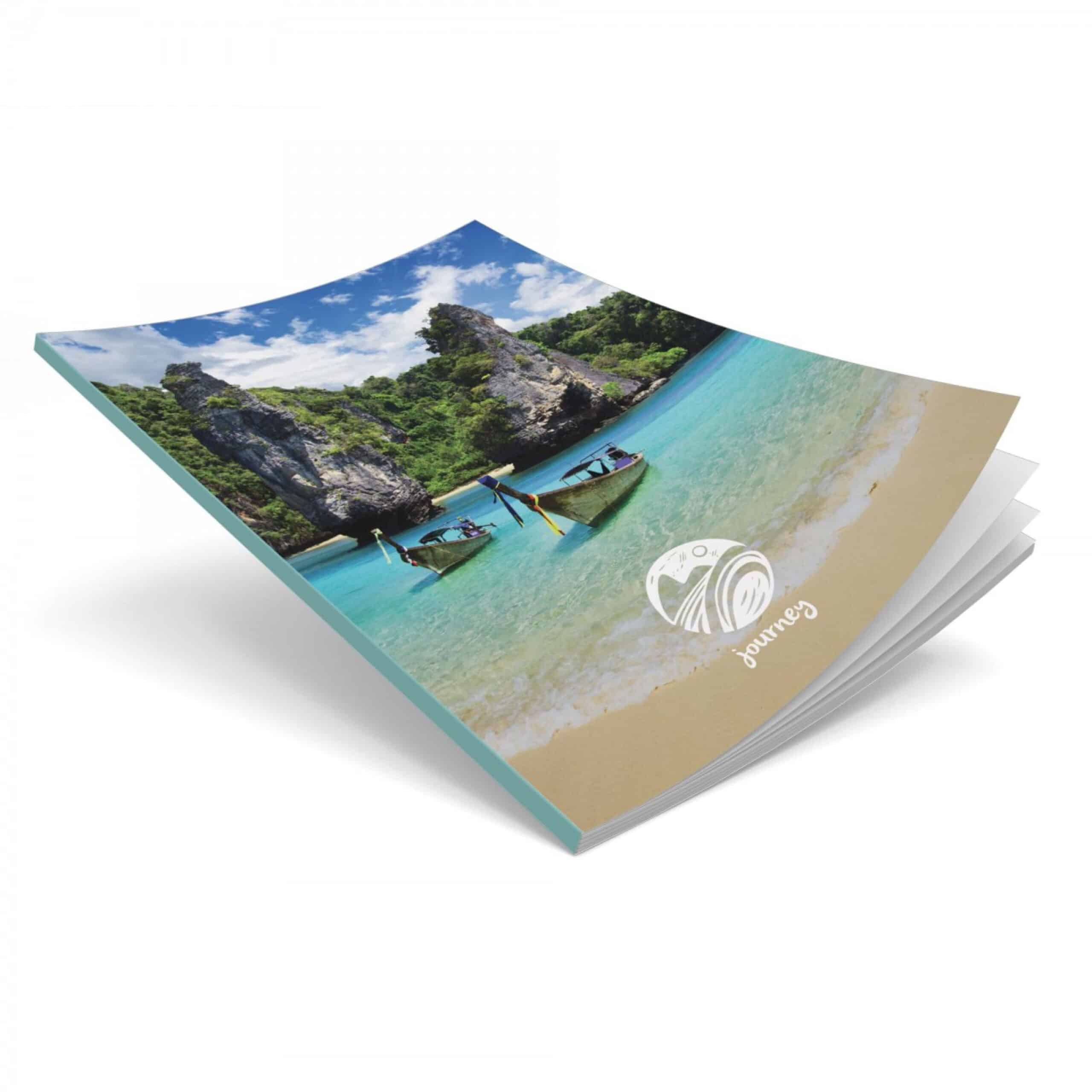
If you’re looking for a more premium finish, perfect binding is a great option. Pages are glued together along the edge to create a square spine, similar to magazines and softcover books.
Best for:
Product catalogues, annual reports and brand magazines.
The benefit:
A structured, professional appearance that feels substantial in the hand. The flat spine also allows the title to be printed, making it easy to identify on a shelf.
Capacity:
Ideal for larger page counts, typically 40+ pages.
Explore Our Perfect Bound Booklet Printing
Wiro Bound Booklets
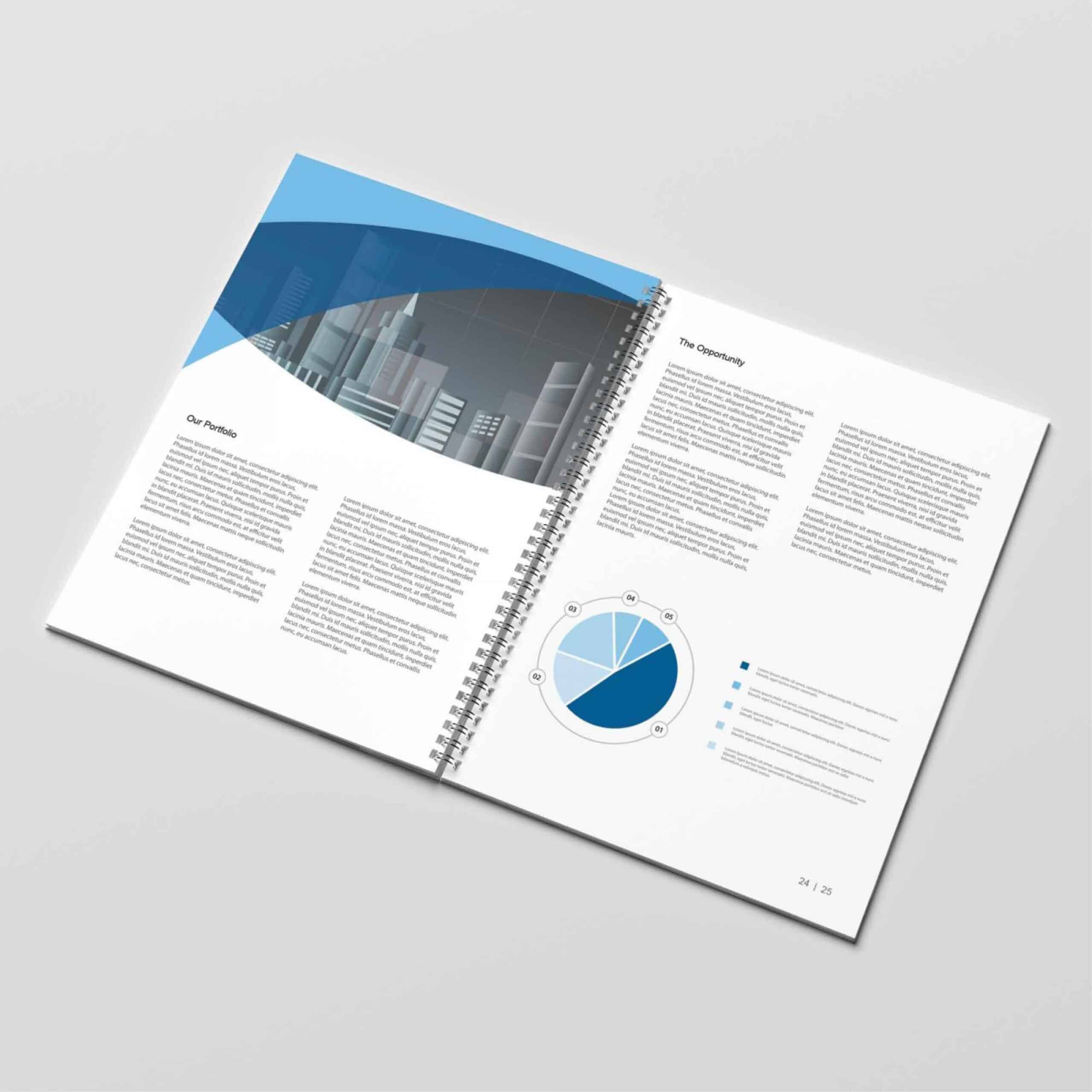
Wiro binding uses a durable metal wire that loops through punched holes along the edge of the pages. It’s designed with usability in mind.
Best for:
User manuals, training guides, recipe books and planners.
The benefit:
The booklet can open completely flat and fold back on itself, making it ideal for documents that need to stay open while being used.
Capacity:
Flexible page count depending on the wire size used.
Explore Our Wire Bound Booklets
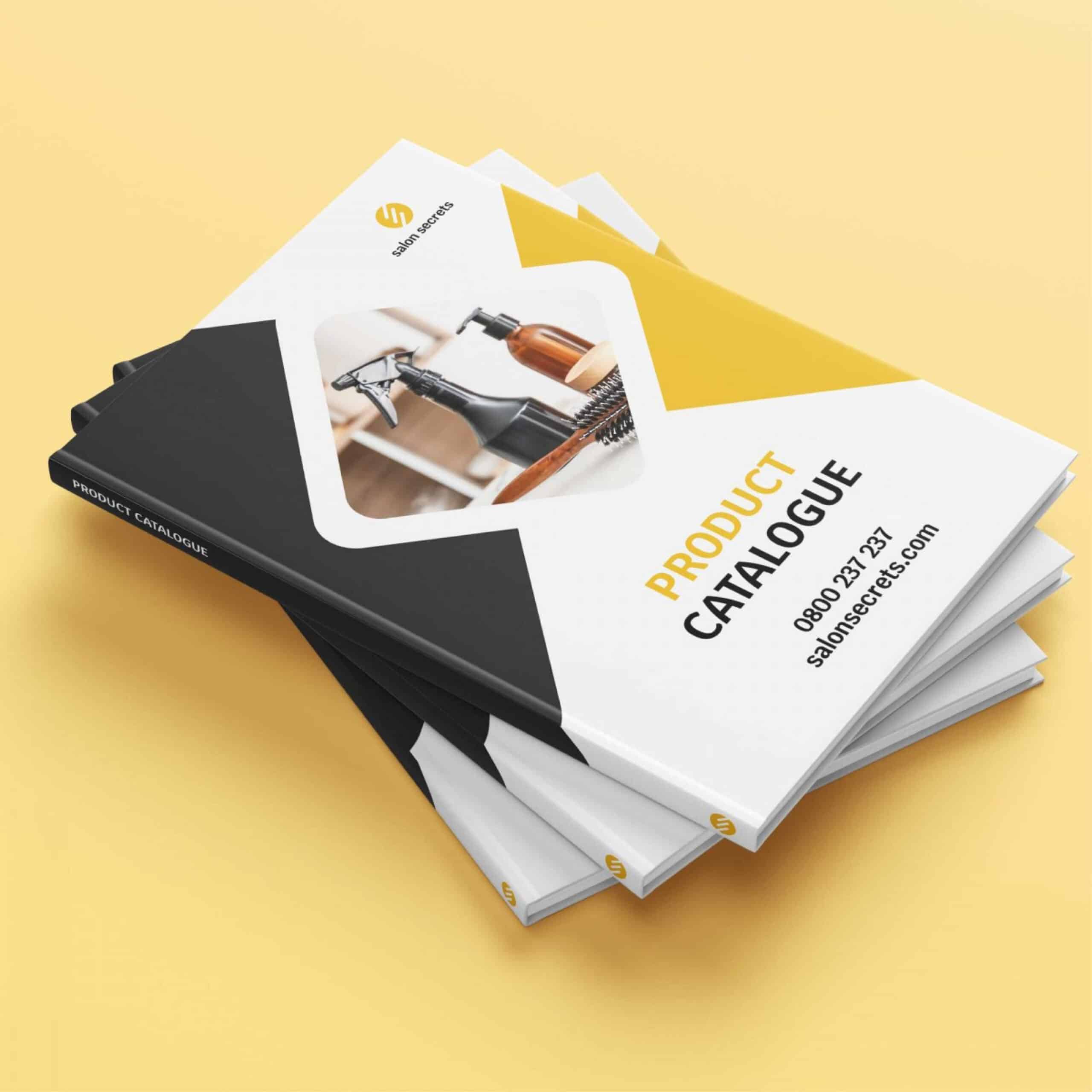
Hardcover Booklets
For projects that need to make a lasting impression, hardcover booklets provide the most durable format.
Using rigid boards to create a hardback cover, this binding style gives the publication a premium feel designed to be kept and displayed.
Best for:
Commemorative publications, high-end portfolios and premium catalogues.
The benefit:
A strong, high-quality presentation that adds weight and authority to your content.
Capacity:
Suitable for medium to high page counts depending on the binding method used.
Explore Our Hardcover booklets
Choosing the Right Booklet Size and Paper
Once you’ve settled on the binding, the next thing to think about is the finished size and paper.
A5 is one of the most popular sizes for booklet printing. At 148mm x 210mm, it gives you plenty of room for text and images while still being compact enough to hand out, post or carry around. It works particularly well for event programmes, guides, product information and promotional booklets.
The paper you choose can make just as much difference to the finished result. Lighter paper can work well for the inside pages, especially when there are quite a few of them, while a heavier cover can give the booklet more structure and help it feel more substantial.
For shorter booklets, you may prefer to use the same paper throughout. For something designed to last a little longer, a heavier cover with lighter inner pages can be a better fit.
There isn’t one paper choice that works for every booklet. Think about how it will be used, how many pages it contains and the sort of impression you want it to make.
The size, page count, quantity, paper and binding style will also affect the final cost, so keeping the specification fairly simple can help when you’re working to a particular budget.
Preparing Your Booklet Artwork for Print
A good printed booklet starts with artwork that has been set up properly.
Images need to be high enough resolution to reproduce clearly, and any backgrounds, colours or photographs that run right to the edge of the page should include bleed beyond the finished trim size.
It’s also worth keeping page numbers, logos and important text safely away from the edges and the centre fold. This gives everything a little breathing room once the booklet has been trimmed and bound.
For stapled booklets, there’s no need to try and arrange the pages into printer spreads yourself. Supply the artwork as individual pages in the correct reading order and the pages can be imposed correctly for print.
Getting these things right before uploading your artwork can also help keep the job moving smoothly. Size, page count, paper choice and quantity all influence production time and price, but correctly prepared artwork reduces the chance of avoidable delays once your booklet reaches print.
If you’re unsure whether your artwork, page count or chosen format will work, it’s always worth checking before placing the order.
Final Thoughts
Choosing the right format is an important step in planning a successful booklet printing project. Each binding style offers different benefits, whether you need the simplicity of a stapled booklet, the structured finish of perfect binding, the practicality of wiro binding or the premium feel of a hardcover publication.
By understanding how each type works, you can choose a booklet format that suits both your content and how your audience will use it.
Ready to get started?
Explore our full range of brochure and booklet printing options or request a bespoke quote today. Our team is here to help make your next print project completely stress-free